Research

Ragn-Sells received a grant from the state for valorising magnesium from oil shale ash

Euroopa Regionaalarengu Fond eraldas Ragn-Sellsile 225 375,50 eurot, et jätkata teadusuuringuid, kuidas Ida-Virumaal kasutuna seisvatest põlevkivituhkadest saaks lisaks kaltsiumkarbonaadile välja võtta ka magneesiumi, mille Euroopa Liit on nimetanud üheks kriitiliseks tooraineks. Projekti elluviimise periood on 01.11.2022 – 31.10.2023. Projekti eesmärk on teostada rakendusuuring, et testida ja valideerida protsess PCC tootmisel tekkivast jääkainest magneesiumiosakeste eraldamiseks. Projekti tulemusena tekib ühe […]

Ragn-Sells received a grant from the state for valorising magnesium from oil shale ash Read More »


State to allocate 1.7 million euros in support of Estonia’s largest circular economy project

Via the Applied Research Programme of Enterprise Estonia, the state is set to provide 1.7 million euros in support for the applied research to be carried out as part of the second stage of the oil shale ash enhancement project of Ragn-Sells OSA. This will enable the company, in cooperation with researchers from the University of Tartu and TalTech and scientists from international research laboratories, to carry out next-level industrial tests for the production of calcium carbonate.

State to allocate 1.7 million euros in support of Estonia’s largest circular economy project Read More »

EAS supported the applied research of the OSA project with 255,269 euros

We are pleased to announce that Enterprise Estonia has supported applied research in Ragn-Sells’s OSA project in the amount of 255,269 Euros. The support helps us to carry out industrial-scale trials of production of climate-neural calcium carbonate from oil shale ash and design the preliminary version of the production processes and production unit.

EAS supported the applied research of the OSA project with 255,269 euros Read More »

Samples were taken from Ida-Viru County ash hill for studying possible uses

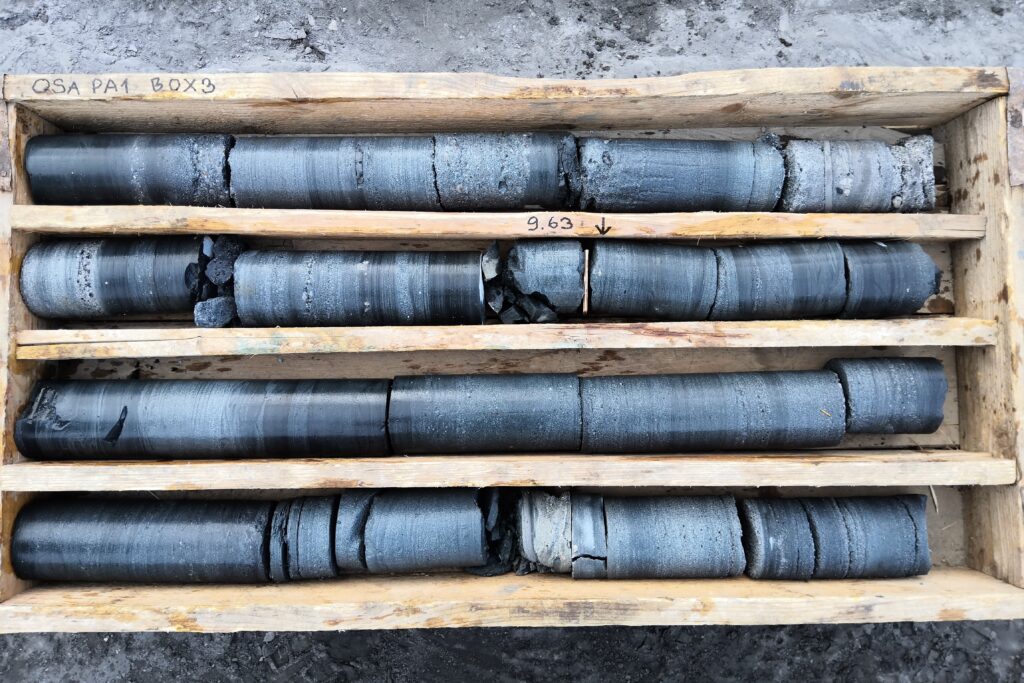
Ragn- Sells koostöös inseneribüroo STEIGER`i ja Tartu Ülikooli teadlastega puurisid Ida-Virumaal asuvat põlevkivituhamäge eesmärgiga koguda infot juba ladestatud tuhajäätmete väärindamise edasiste uuringute läbiviimiseks. Sama konsortsium tegeleb ka jooksvalt tekkivate tuhajäätmete väärindamise projekti elluviimisega.

Samples were taken from Ida-Viru County ash hill for studying possible uses Read More »

TALTECH Professor Andres Trikkel explains what is the climate positive calcium carbonate obtained from oil shale ash

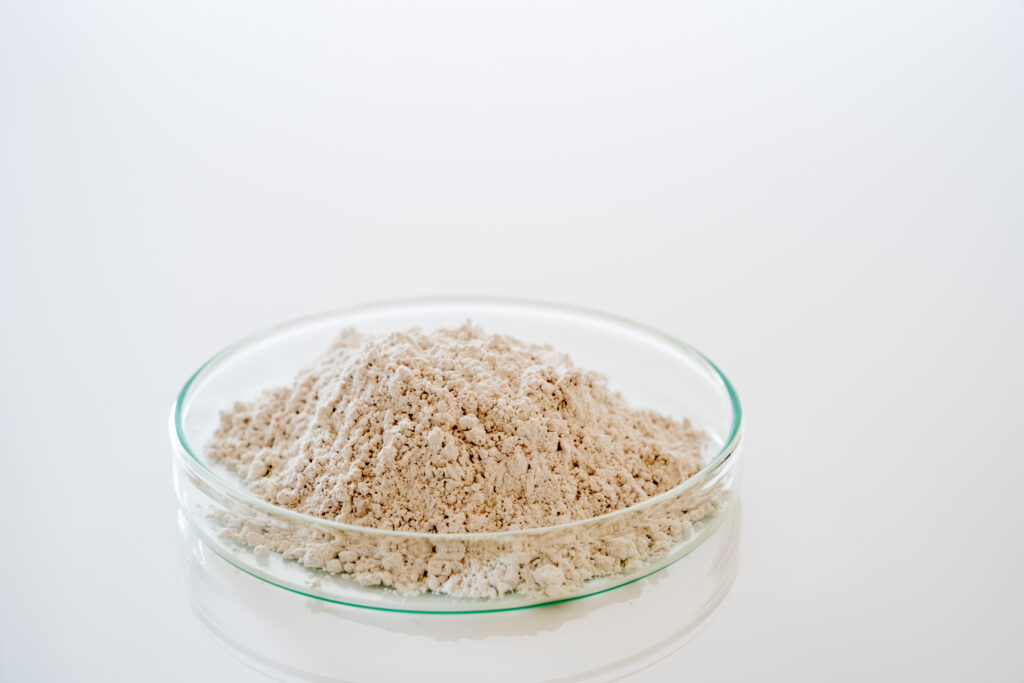
Synthetic calcium carbonate represents the biggest share of the materials produced from oil shale ash. The food and pharmaceutical sectors are the best examples of industries in which natural calcium carbonate is used. As this material originates from the manufacturing industry, the calcium carbonate produced from the oil shale ash of Ida-Viru County will most probably be used as a filler in the paint, plastic and paper industry. 

TALTECH Professor Andres Trikkel explains what is the climate positive calcium carbonate obtained from oil shale ash Read More »

Ida-Virumaa without ash hills

Today, electricity in Estonia is still mostly produced from oil shale, because the alternatives do not yet produce the necessary volumes. Up to 1 million tons of ash waste is left behind from the production of oil shale energy per year, and by valorizing it, we can significantly contribute to reducing the environmental footprint of our energy production as a solution that is already needed today. A cleaner environment in Ida-Virumaa and throughout Estonia.

Ida-Virumaa without ash hills Read More »

Greenhouse gas emissions in Estonia are decreasing but are still among the highest in Europe

Kasvuhoonegaaside koguemissioon on Eestis võrreldes eelmise aastaga langenud 4,5 protsenti ja võrreldes 1990. aastaga kahanenud üle kahe korra. 2018. aastal oli kasvuhoonegaaside heitkogus Eestis 20 miljonit CO₂-ekvivalenttonni. Enamik kasvuhoonegaase tööstussektoris ehk 88 protsenti tekkis energiasektoris, põllumajandusest pärines 7,2, tööstusest 3,1 ja jäätmekäitlusest 1,6 protsenti. Eestis on kasvuhoonegaaside emiteerimine elaniku kohta suur, viimaste võrdlusandmete alusel olime Euroopa Liidus Luksemburgi järel teisel kohal.

Greenhouse gas emissions in Estonia are decreasing but are still among the highest in Europe Read More »

en_USEnglish